For partners
Financial education fails when it's translated. Ours was written in Spanish from the start.
Generic financial literacy programs reach U.S. Hispanic adults in translation. Culturally flat, institutionally distant, and disconnected from the lived realities of first-generation households.
FaroGuía is built differently: from language, culture, and ten years of actual community classrooms, into a product that meets people where they are.
About Eduardo Perez
Built by someone who's been in the room.
Eduardo Perez brings more than 20 years of experience in operations and financial services, including leadership roles at Capital One and as Chief Customer Officer overseeing customer operations across a $1.4B+ portfolio. He holds an MBA in Finance from Carnegie Mellon University's Tepper School of Business, a Master's in Industrial Engineering from Grand Valley State University, and a Bachelor's degree from Hope College, along with a Six Sigma Black Belt and a Google AI Essentials certification. He currently applies this same operational and analytical discipline as an executive leading AI transformation in customer experience.
But the credentials that matter most for FaroGuía aren't on the resume.
For more than a decade, Eduardo has taught personal finance for free in Spanish, and still does today. He still sits with families at kitchen tables the same way he did when he started. He has worked directly with over 150 families in community settings. He served as National President of Capital One's Hispanic Business Resource Group (3,000+ members), where he helped secure grants and launch scholarship programs for the Hispanic community. He also led the DFW Hispanic Network at Capital One (800+ members), working to expand economic access and representation.
FaroGuía is that same work, built as a product. Anyone who needs it can access it in their own language, any time, without waiting for the next class.

Why it works
The problem isn't a knowledge gap. It's a trust gap.
Financial anxiety among U.S. Hispanic adults is compounded by more than a lack of access to information. It is shaped by language: not just whether content is in Spanish, but whether it was written for this audience or translated for it. By institutional distrust, shaped by decades of products designed without this community as the starting point. And by emotional weight, the shame and fear that make people avoid thinking about money altogether, even when they want to change.
Eduardo's background as an industrial engineer and Six Sigma Black Belt is not incidental to how FaroGuía is designed. The same define-measure-analyze-improve discipline he has applied to large-scale operations is applied here: every stage of the user journey is measured against real behavioral outcomes, not content consumption, and iterated based on what actually moves people forward.
FaroGuía's design draws from four places at once: onboarding and retention principles proven across the best consumer products in the world, a personal understanding of what actually motivates people to change financial behavior, operational discipline from two decades running large-scale businesses, and firsthand knowledge of this community that no amount of market research can substitute for.
Small first wins over big asks.
The diagnostic ends with a persona reveal and a moment of genuine reflection. People who feel seen come back.
Pre-population over blank slates.
When a user opens the budget tool, FaroGuía already has their income range from the diagnostic. It reflects back what they told it. That's trust in practice.
Personalized nudges over generic reminders.
The platform sends milestone-specific outreach that acknowledges real emotional states instead of generic "you haven't logged in" pings.
Honest progress over empty encouragement.
Users see real numbers, real milestones, and real gaps. Not badges that celebrate participation regardless of outcome.
How it works
A platform built around behavior change, not content delivery.

The diagnostic
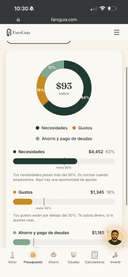
Every FaroGuía user starts with a structured financial diagnostic. Not a quiz. A real-world snapshot. Housing situation, income range, car payment, emergency savings, credit history, remittance behavior. The diagnostic builds the starting picture before teaching anything, and generates a personalized profile that shapes everything downstream.
Immediate personalization
The moment someone finishes the diagnostic, the platform reflects back what they said: income estimate pre-populated in the budget tool, savings estimate pre-populated in the emergency fund tracker. They arrive at their plan already 80% complete. This eliminates the most common drop-off point in financial education products: the blank first session.



20+ calculators, including culturally specific tools
Mortgage, auto loan, refinancing, debt payoff, emergency fund, retirement. Standard tools built for Spanish speakers. Plus: the real cost of remittances (including exchange rate markup), tandas (rotating savings circles common in Latino communities), quinceañera budgeting. Cultural fluency is not a positioning claim. It is in the product catalog.

The nudge system
When a user stalls, the platform sends a personalized email that meets them where they actually are. Not "you have incomplete tasks." Something closer to: "You told us your income is around $X. One tap and your budget is started." Every nudge is milestone-specific, dignity-preserving, and links directly to the relevant step with zero login friction.
Engagement
Users earn recognition as they build real habits.
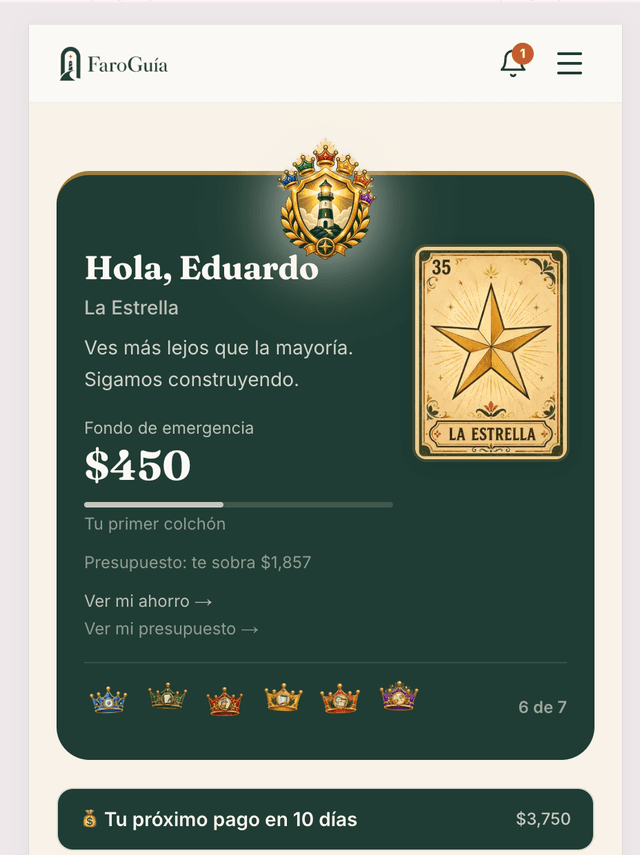
Financial education fails when people stop showing up. FaroGuía includes a milestone system that recognizes real progress: completing a first budget, finishing the financial diagnostic, reaching a $500 emergency fund, paying off a first debt, and more.
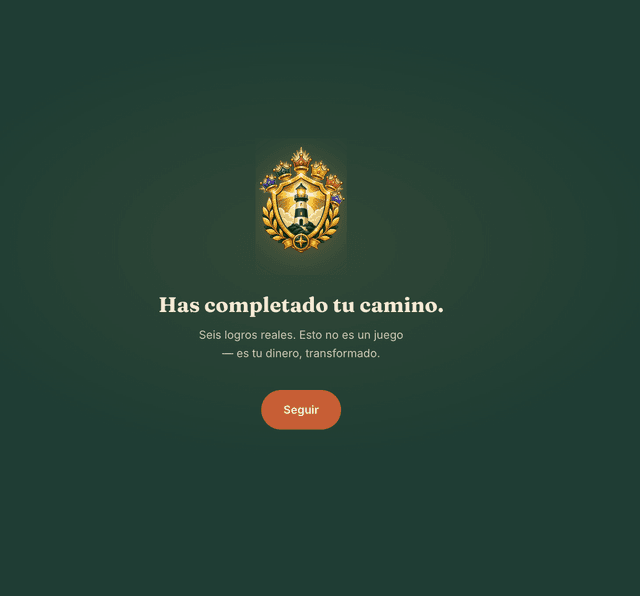
Each milestone is earned, not given. Users unlock a visual crown and see a full celebration moment when they reach it. This is not decoration. It is a retention mechanism built around actual financial behavior, not app-usage vanity metrics.
For partners, this means higher completion rates on the outcomes that matter: more users who finish a budget, more users who reach a real emergency fund, more users who stay engaged past the first session.
Content
Regular educational content, published weekly.
Short-form videos covering the same topics as the platform — budgeting, debt, credit basics, savings, remittances, and more. Published consistently. In Spanish. For the actual audience.
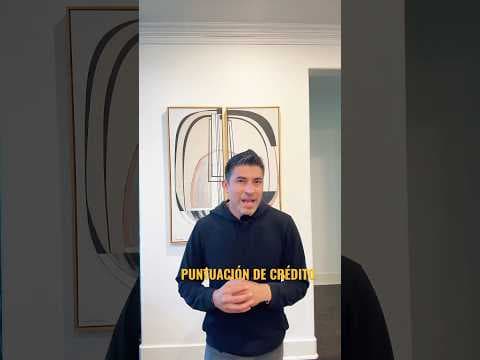
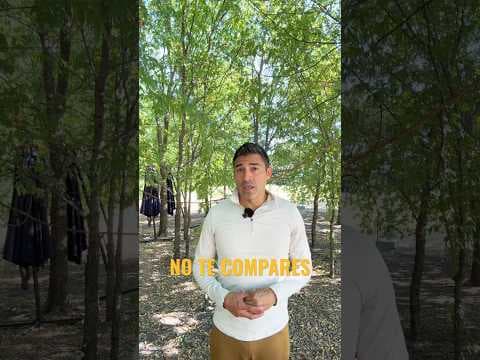

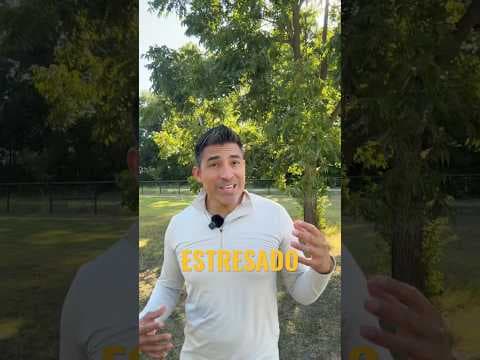
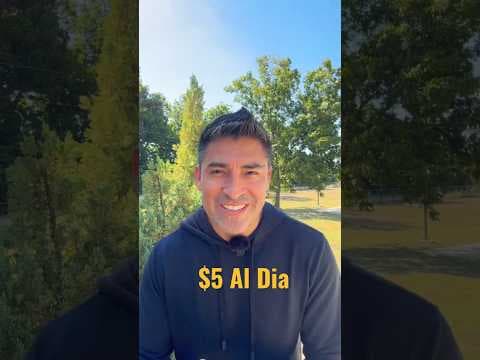
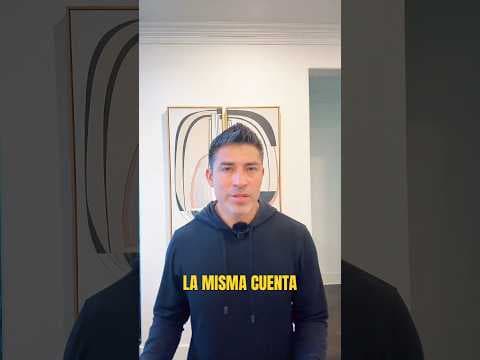
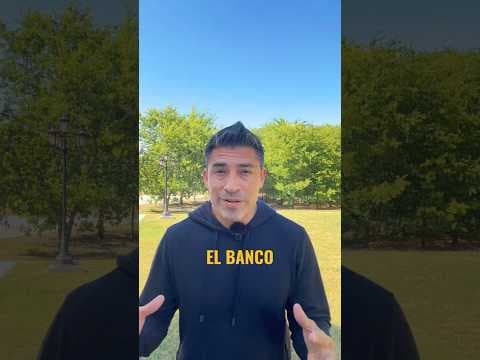
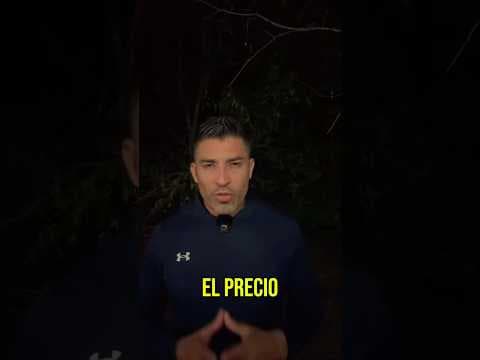
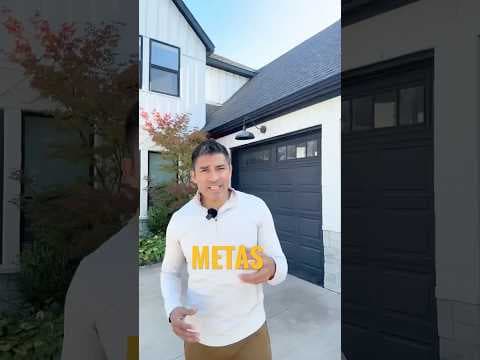
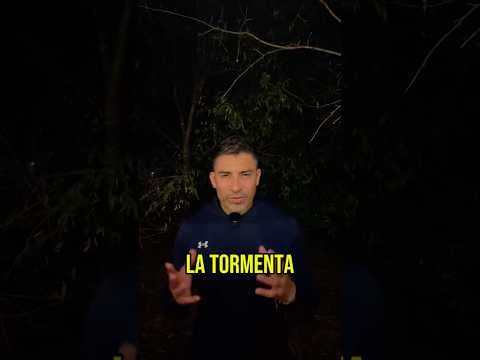
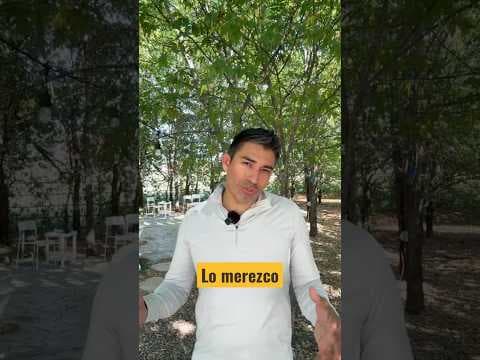
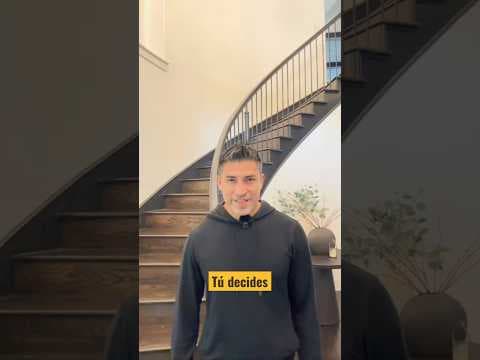
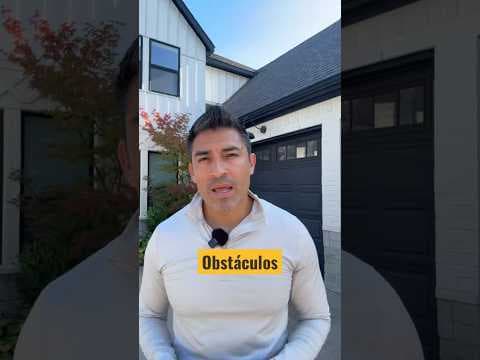
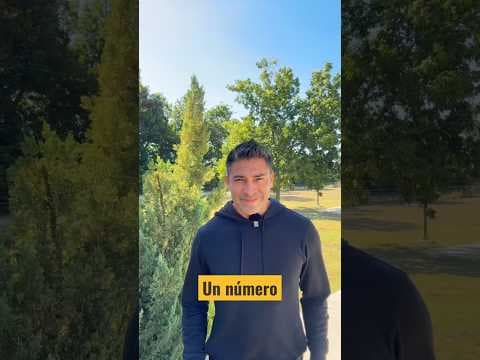
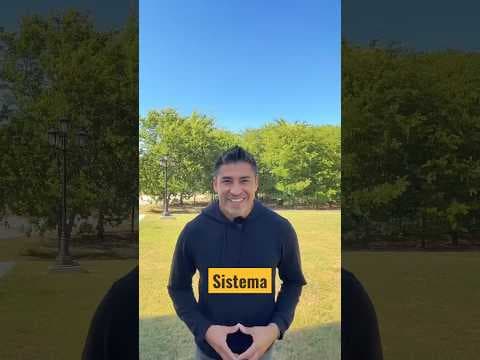
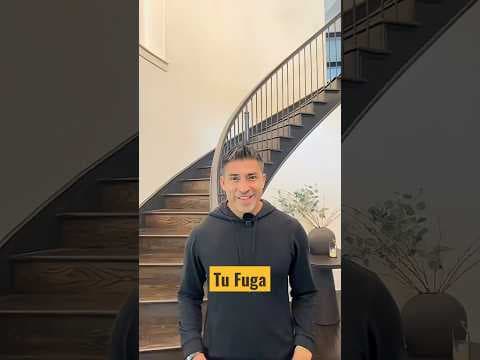
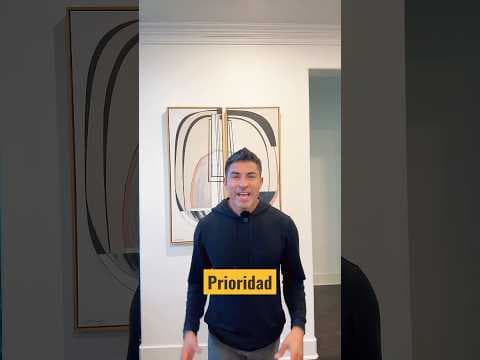
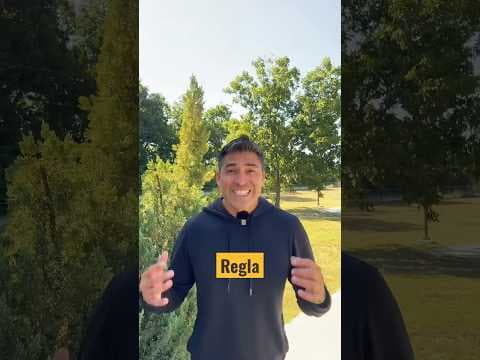
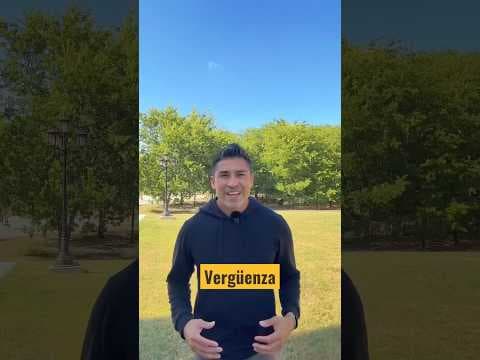
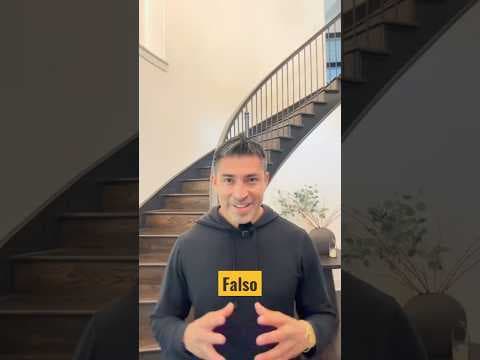
All content is in Spanish — that's the point.
See all videos (en español) →The data
The approach produces measurable outcomes.
We publish our core metrics live, updated automatically, no cherry-picking, no static screenshots. Budget confirmation rate, emergency fund rate compared to the national average for Latino adults, diagnostic completion, and a full demographic breakdown of the user base.
View live impact data →Contact us for access.
Let's talk
If this sounds like the right fit, we'd like to hear from you.
FaroGuía works best alongside organizations that already have community trust: a credit union with a deep member relationship, a CDFI with existing borrower outreach, a nonprofit that runs financial literacy workshops, an employer with a Latino workforce that deserves better than an English-only benefits program.
If that sounds like your organization, Eduardo reads every message personally.